Classic Glow Plush
Glow-in-the-Dark Plush Fabric
Classic Glow Plush is photoluminescent plush fabric from Shenzhen Chaoliu Home Textiles (Luminous Fabrics) for stuffed-toy OEM and ODM factories to cut, sew and stuff. Mill typical: about 20 minutes of visible-light charge and 8–10 hours of green afterglow. Production MOQ: 1 yard. Fabric swatch cards available for evaluation. Reports for review: SGS EN71-3 TSZH240902327C (2024-12-11); SGS ASTM F963 SHHL2009544359TY (2020-09-27). Not a finished-toy certificate.
Photoluminescent plush: the pile stores visible light and remains visible after the room goes dark. It is mill fabric for sewn products, not a printed coating and not a battery light.
Daylight. Charge. Darkness. Glow.
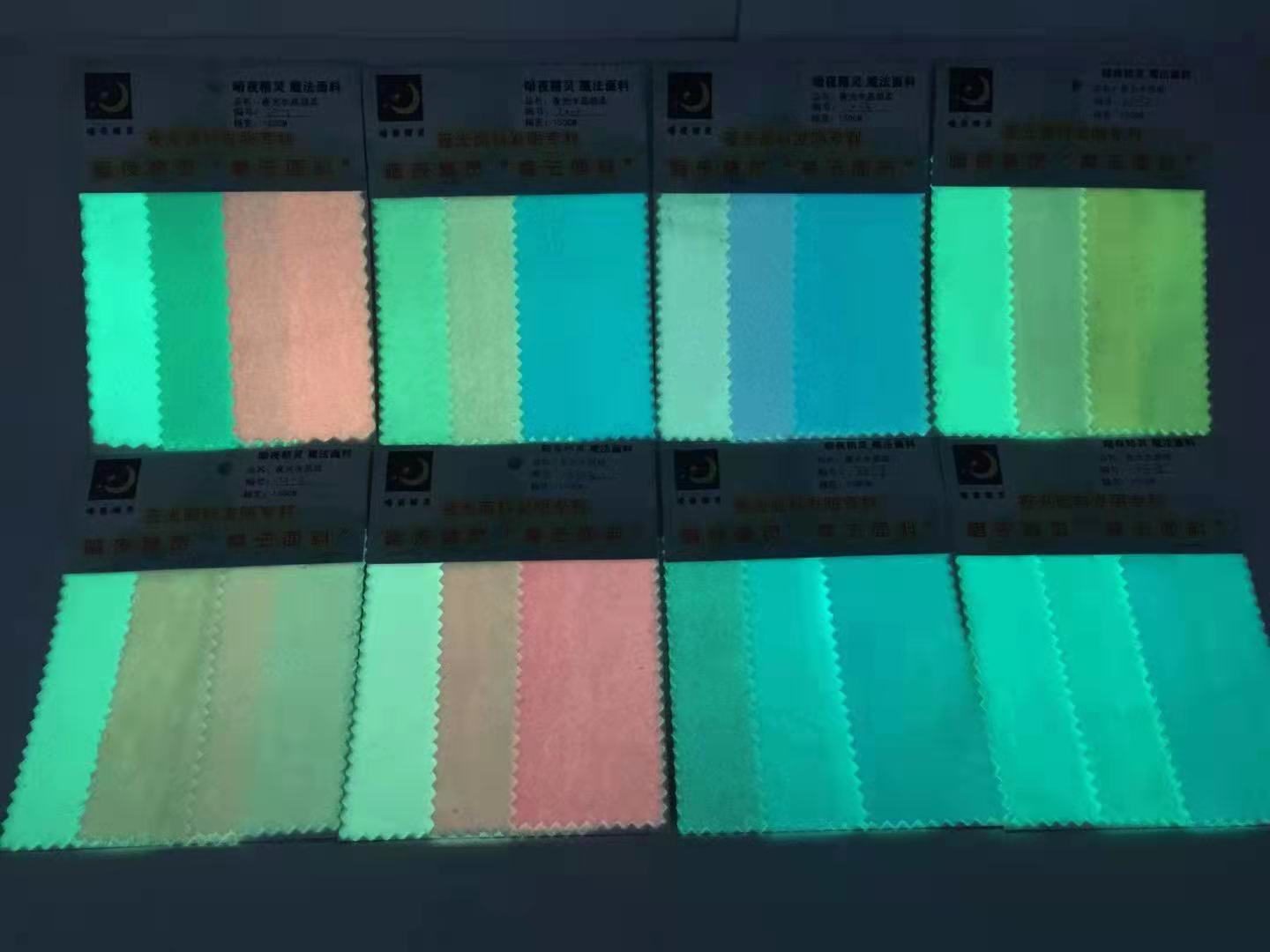
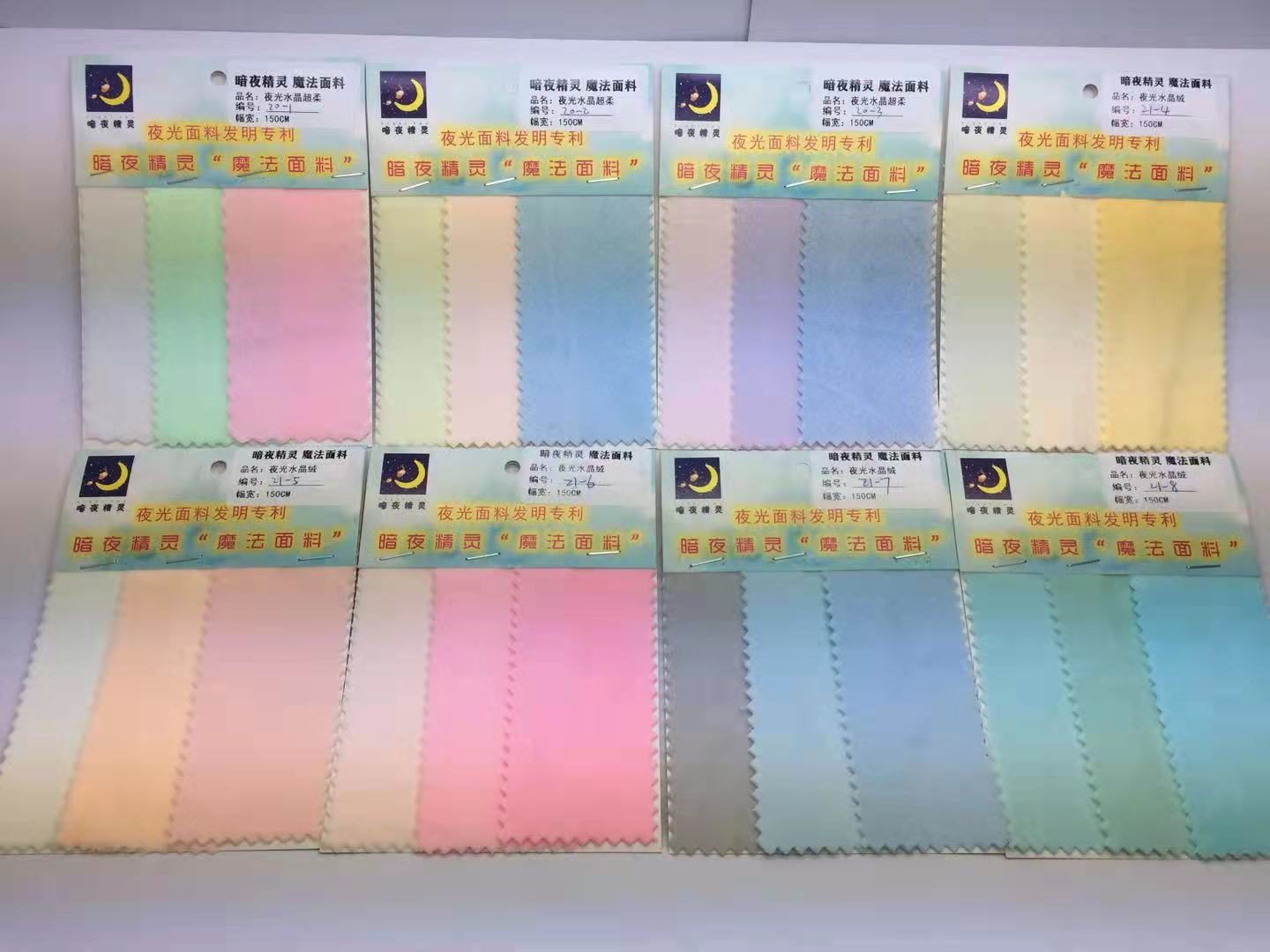
Photoluminescent plush stores light, then remains visible after the room goes dark. Both states are shown together so you can compare — mill photography, not a measured report.
Soft pile in daylight
Visible afterglow in darkness
Actual appearance varies with charging conditions, ambient light and viewing environment. Do not treat these photographs as a laboratory result.
How it works
The pile absorbs visible light — daylight, fluorescent lamps, or indoor lighting — for about 20 minutes, then can remain visibly glowing in darkness for about 8 to 10 hours. That is a mill typical from the company introduction (19 Oct 2025), not a laboratory protocol for Classic Glow Plush. Intensity fades with time, charge, and viewing conditions. Evaluate it on a sample.
Key characteristics
- Plush hand-feel in daylight
- Photoluminescent afterglow in the dark
- Intended for sewn consumer products
Technical specifications
Unpublished numbers are marked contact to confirm. They are not filled with marketing copy.
| Field | Value | Status |
|---|---|---|
| Day appearance | Ivory / cream pile (visual description, not a lab colorimetric value) | Verified |
| Night glow color | Green photoluminescent appearance in darkness (visual description) | Verified |
| Composition | Contact to confirm | Contact to confirm |
| GSM | Contact to confirm | Contact to confirm |
| Width (cm) | Contact to confirm | Contact to confirm |
| Pile height (mm) | Contact to confirm | Contact to confirm |
| Backing | Contact to confirm | Contact to confirm |
| Glow technology | Photoluminescent pigment in a plush textile (customer-education category, not a disclosed formula) | Verified |
| Recommended light source | Ambient daylight or indoor lighting before viewing in the dark | Verified |
| Charge time | Mill typical: about 20 minutes in visible light (daylight, fluorescent, indoor lamps). Not a lab protocol for this fabric. | Contact to confirm |
| Glow duration | Mill typical: 8–10 hours of afterglow in darkness. Company description, not a measured protocol for this fabric. | Contact to confirm |
| Washability | Contact to confirm | Contact to confirm |
| MOQ | Production MOQ: 1 yard. | Verified |
| Production lead time | Contact to confirm | Contact to confirm |
| Sample availability | Available | Verified |
| Compliance evidence | Material-level reports on request. Finished-toy compliance is project-specific. | Verified |
Applications
Plush animals
Soft stuffed animals that need a plush hand-feel in daylight and a visible presence after lights-out.
Gift / character plush
Seasonal, character and novelty plush that use glow as a surprise, not a printed gimmick.
Sports plush
Mascot and event plush that remains identifiable in arenas, camps, and night events.
Pillows / soft-toy accessories
Cushions and bedtime plush accessories evaluated as toy-adjacent sewn goods.
Pet products
Plush pet goods where glow can aid findability without turning the product into a hard plastic night-light.
Creative products
Studios and makers exploring glow as a material behavior, not a surface coating.
Processing / development
Cutting, sewing, stuffing, and finishing notes are shared after sampling. Manufacturing formulas and mill IP are not published. Development discussion follows a successful sample.
Evidence register
Available evidence for review. Material-level evidence is not a finished-toy certificate. Scope verification required.
| Evidence / document | Status | Scope |
|---|---|---|
| Radiation screening | Verified | Report FS2014-0054-001A (2014-06-17) on a luminous fabric sample vs GB 18871-2002. Material-level. |
| ASTM F963-related evidence | Verified | SGS SHHL2009544359TY (2020-09-27) on named Little Room finished glow toys. Not a blanket mill certificate. |
| EN71-related evidence | Verified | BACL RSZ191226A8555E (2020-01-07) includes EN71-1/2/3 Pass on the tested items. Scope verification required. |
| REACH-related evidence | Verified | Inspection material type listed in the mill introduction. Reviewed per material and market. |
| EN71-3-related evidence | Verified | SGS TSZH240902327C (2024-12-11) on a luminous plush fabric sample, EN71-3:2019+A1:2021 符合. Confirm construction coverage. |
| Material specification (GSM, width, pile, composition) | Contact to confirm | Not published for Classic Glow Plush. |
| Glow test (measured protocol) | Contact to confirm | No SKU-specific illuminance protocol is published. Mill typicals are company description only. |
| Care guidance | Contact to confirm | The introduction states the material can be cleaned and reused. Cycle count is unpublished. |
Buyer questions
Can this fabric be used for stuffed animals?
Yes — stuffed toys are a listed application for Classic Glow Plush. Suitability is confirmed by sampling on your SKU. A glowing textile does not certify the finished toy.
Does it require batteries?
No. The pile is photoluminescent: it stores visible light and emits an afterglow in the dark. It is not an LED insert and not a battery product.
Can it be sewn on standard plush-toy equipment?
Line compatibility is PENDING. Mill application samples are sewn plush, but Classic Glow Plush is not published as an equipment specification. Evaluate cut-and-sew on a factory sample.
Can it be embroidered or printed?
Embroidery and printing compatibility are PENDING for Classic Glow Plush. Do not assume either process from catalog photography.
What should we test before mass production?
Hand-feel, cut, sew, stuff, afterglow on the stuffed toy, care method, and finished-toy compliance for the destination market. Request a fabric sample first.
What evidence is available?
The mill introduction pack includes radiation screening, ASTM F963, EN71, REACH, and SGS EN71-3 report TSZH240902327C (11 December 2024). These are available for review per material and market — not as public blanket certificates.
How long does the fabric glow?
The company introduction describes about 20 minutes of visible-light charging and 8–10 hours of afterglow, not a laboratory measurement for Classic Glow Plush. Brightness fades and depends on charging and viewing conditions. Evaluate a fabric swatch card under your intended conditions.
What is the MOQ?
Minimum order quantity for production orders is 1 yard. Fabric swatch cards are available for material evaluation. Custom programs are quoted separately.
Can I wash it?
The introduction states the material can be cleaned and reused. Wash durability of glow is not published as a cycle count. Test your care method on a sample.
Do you ship samples internationally?
Color cards ship free to major regions in China (excluding remote areas). International sample shipping is confirmed after qualification — free international shipping is not assumed.
Is this a finished toy shop?
No. Luminous Fabrics supplies glow plush fabric to stuffed-toy factories and other manufacturers. Finished products here are application proof, not a consumer catalog.
- Can glow plush fabric be used for toys?
- How to choose glow fabric for plush toys
- Glow plush fabric vs LED plush toys
- How should toy factories prototype glow plush toys?
- What should toy factories test before mass production?
- Can photoluminescent plush fabric be embroidered or printed?
- How should ASTM F963 / EN71 evidence be reviewed for a glow-plush project?
- Glow plush fabric vs traditional glow fabric: what is different for toy factories?
- Does glow-in-the-dark plush fabric pass ASTM F963 and EN71-3?